South Korea’s Junior Doctors Strike Against Increased Medical School Enrollments Amid Healthcare Strain
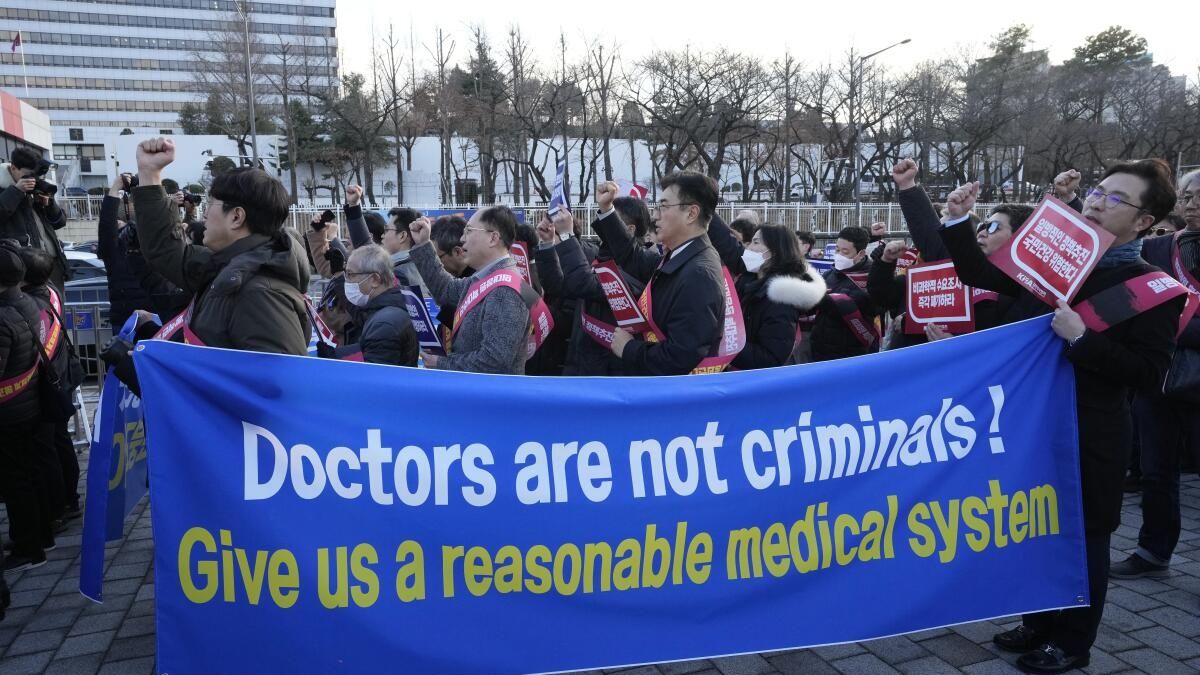
In the heart of South Korea, a nation renowned for its technological advances and robust healthcare system, thousands of junior doctors have taken to the streets, not with stethoscopes and white coats, but with placards and demands. At the core of their protest lies a government plan poised to significantly increase medical school enrollments, a strategy intended to address the country’s fast-aging population and improve the doctor-to-population ratio, one of the lowest amongst industrialized nations. Yet, this seemingly beneficial initiative has sparked a contentious debate and a strike that has lasted for about 10 days, plunging the healthcare system into a predicament.
The Crux of the Contention
The government’s proposal aims to admit 2,000 more applicants to medical schools starting next year, marking a two-thirds increase from the current 3,058. This move is part of a broader initiative to add up to 10,000 new doctors by 2035. However, the medical interns and residents at the heart of the strike argue that universities aren’t prepared to accommodate the influx of students and that the plan fails to address the chronic shortage of doctors in essential, yet low-paying, specialties. This stance is juxtaposed with the government’s response, which includes threats to suspend medical licenses and prosecute strikers if they do not return to their hospitals by a specified deadline, with approximately 9,076 of the country’s 13,000 medical interns and residents having submitted resignations.
A Nation Divided
Public opinion in South Korea appears to broadly favor the government’s plan, with a survey showing about 80% support. Critics of the strike suggest that junior doctors are primarily concerned about the potential for lower income due to the increase in the number of doctors. Despite the ongoing strike, the Health Ministry asserts that the country’s handling of emergency and critical patients remains largely stable, thanks to public medical institutions extending their working hours and military hospitals opening their emergency rooms to the public. Yet, the striking doctors argue that the increase in medical school admissions will not solve the quality of education and the shortage of doctors in essential specialties, with the strike already leading to cancellations or delays in surgeries and other medical treatments.
Looking Ahead
The standoff between the South Korean government and the striking junior doctors presents a complex narrative. On one hand, there is a clear and pressing need to address the nation’s aging population and the low doctor-to-population ratio. On the other, the concerns raised by the doctors about the quality of medical education, the readiness of universities to handle more students, and the fair distribution of doctors across various specialties cannot be ignored. As the deadline looms and the government begins formal steps towards punishment for those who refuse to return to work, the resolution of this strike will not only impact the immediate future of South Korea’s healthcare system but will also set a precedent for how similar disputes are handled in the years to come.
link