


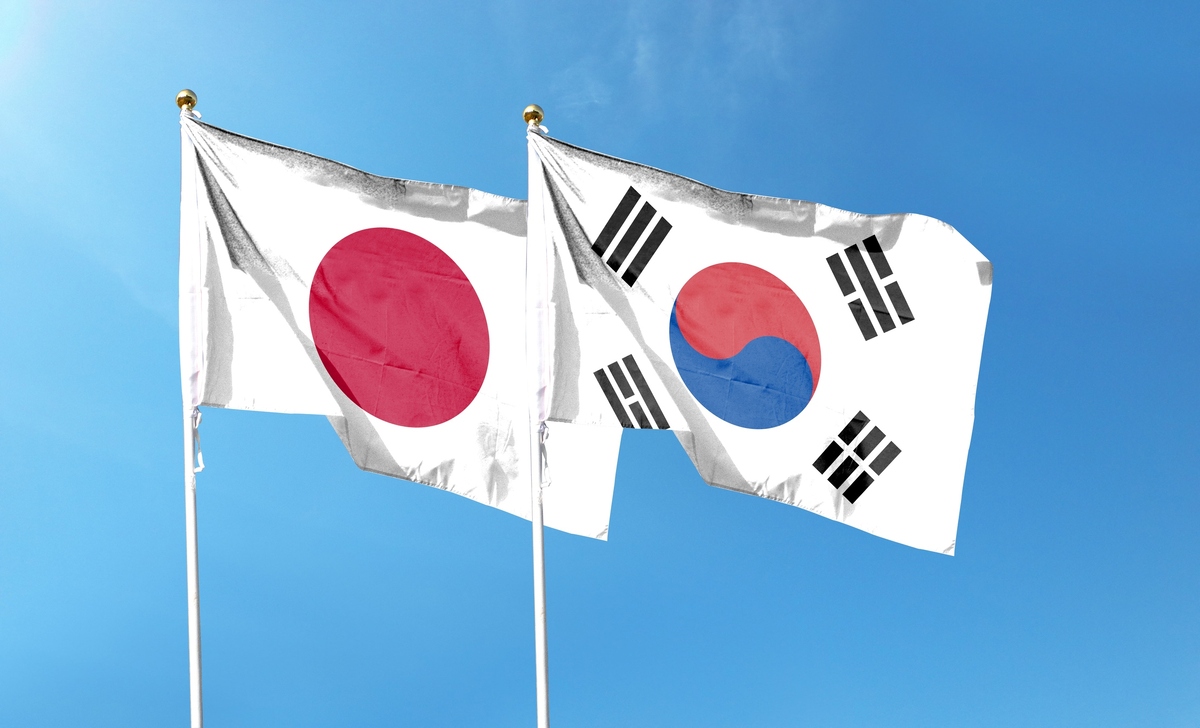
Both Japan and South Korea are renowned globally for their high-quality healthcare, high life expectancy, and universal coverage. However, their systems, while sharing a foundation of social insurance, have distinct structures regarding funding, service delivery, and patient choice, according to a report by chatgbt.
Coverage
Japan: Universal coverage through mandatory enrollment in employment-based (sickness funds) or residence-based (National Health Insurance) plans.
South Korea: Universal coverage managed by a single-payer entity, the National Health Insurance Service (NHIS).
Financing/Payer
Japan: Decentralized; multiple non-profit insurance funds (e.g., Kenpō for employees, NHI for elderly/retirees). Government provides significant subsidies.
South Korea: Centralized; the NHIS is the sole primary insurer, simplifying administration.
Cost Sharing (Co-payments)
Japan: Generally lower co-payments (typically 10%, 20%, or 30% based on age). Features a high-out-of-pocket maximum cap system (High-Cost Medical Expense System) to protect against catastrophic illness.
South Korea: Co-payments are generally higher than in Japan for outpatient services (can range from 20% to 60% depending on the facility).
Provider Status
Japan: Most hospitals and clinics are privately owned but operate under strict fee schedules and regulations set by the government.
South Korea: Providers are overwhelmingly private, with high utilization rates, leading to competitive, high-volume practices.
Gatekeeping
Japan: Weak gatekeeping. Patients generally have direct, unrestricted access to specialists and hospitals.
South Korea: Weak gatekeeping. Direct access is common, though the system encourages primary care visits first.
Drug Pricing
Japan: Central government sets and negotiates fixed prices for all pharmaceuticals.
South Korea: NHIS negotiates prices, leading to a dynamic market influenced by price reviews.
Key Takeaway Differences:
Payer Structure:
Japan has a multi-payer system (many separate insurance funds), while South Korea operates a highly centralized single-payer system under the NHIS.
Cost Protection: Japan’s system is often lauded for its robust safety net against very high medical costs through its comprehensive out-of-pocket maximum system.
Outpatient Costs: South Korea tends to have higher point-of-service co-payments for outpatient care compared to Japan, although both systems encourage the use of their respective national insurance.
4155
link